



Fall Prevention Tips Every Family Should Know
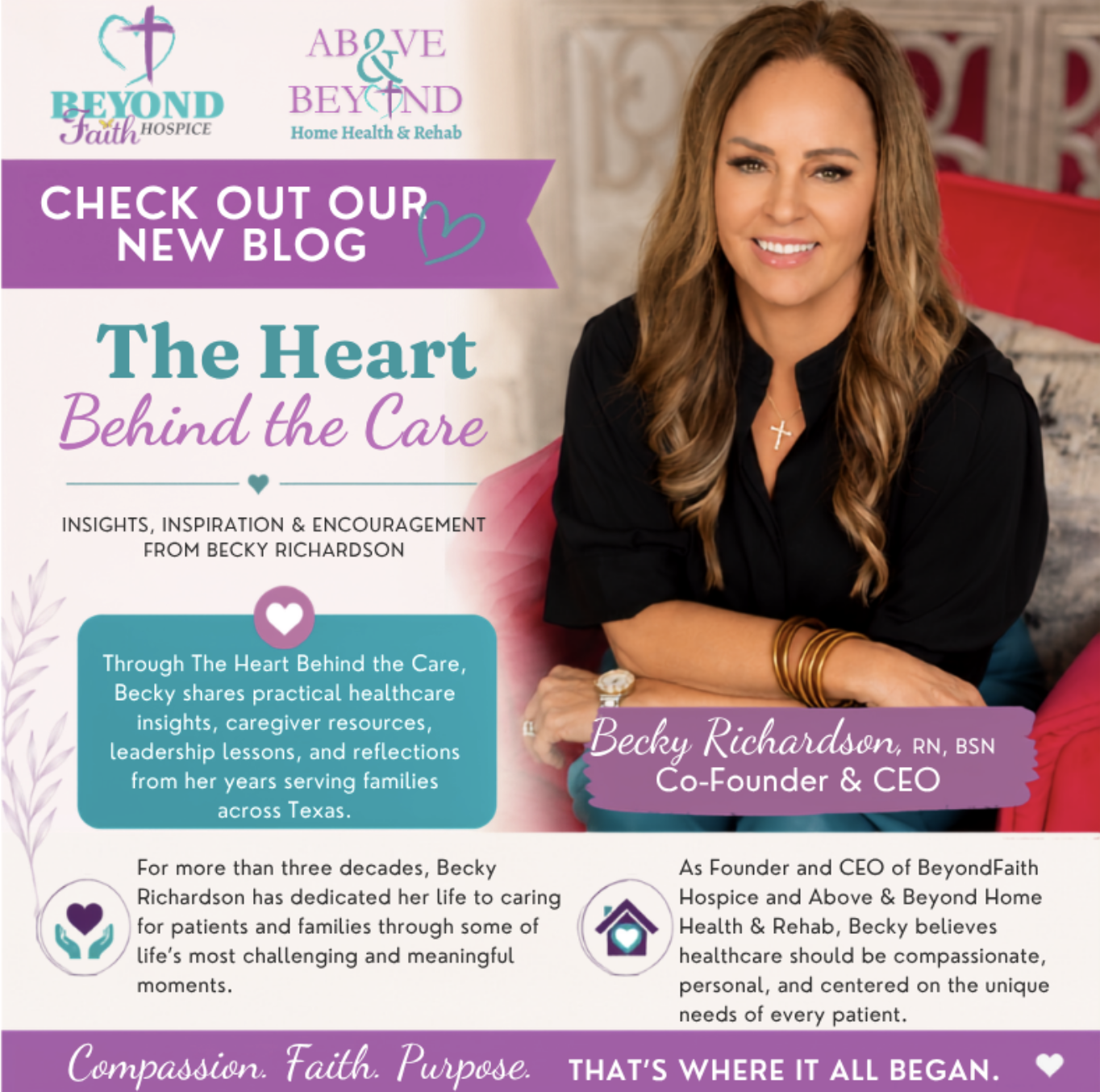
One of my favorite moments is watching a patient accomplish something they thought they couldn't do anymore. Whether it's walking to the mailbox, climbing the front steps, or simply standing to hug a grandchild, those victories remind me why I chose nursing more than thirty years ago. Independence isn't measured by perfection—it's measured by hope, determination, and having the right people beside you every step of the way.
One of the hardest conversations I have with families often starts with a simple sentence: "Mom had a fall."
Sometimes it's a stumble in the kitchen. Sometimes it's a missed step walking outside. Sometimes it's a fall that seems minor at first but changes everything.
In my more than 30 years as a nurse, I've learned that falls are rarely "just a fall."
They can lead to broken bones, hospital stays, surgeries, loss of confidence, and for many older adults, a loss of independence.
Even when someone isn't seriously injured, the fear of falling again can keep them from doing the things they love—going to church, walking the neighborhood, gardening, or simply getting up to make a cup of coffee.
The good news is that many falls can be prevented with a few simple changes.
Start With Their Home
When I visit patients, I don't just look at their medical needs. I look at how they live. Is there a throw rug in the hallway? Are extension cords stretched across the floor? Is the bathroom easy to navigate? Can they safely get in and out of bed?
Sometimes the smallest changes make the biggest difference.
Removing loose rugs, improving lighting, securing electrical cords, and keeping frequently used items within easy reach can dramatically reduce the risk of a fall.
Home should be the safest place someone can be—not the most dangerous.
Don't Ignore Small Changes
Many people assume falls happen because someone is "getting older." While age can play a role, falls often happen because something else has changed.
Maybe they're taking a new medication that causes dizziness. Maybe their vision has declined. Maybe they're becoming weaker after a recent illness or hospital stay. Or perhaps they're simply trying to do too much without asking for help.
If you've noticed your loved one holding onto furniture while walking, becoming unsteady, or avoiding stairs, don't dismiss it as a normal part of aging.
Those small changes are often early warning signs that deserve attention.
Strength Is One of the Best Forms of Prevention
One of the things I love most about home health is watching people regain confidence.
Our physical therapists don't just help patients recover after surgery or illness—they help improve balance, strength, coordination, and mobility before a fall ever happens. I've seen patients who were afraid to walk to the mailbox regain the confidence to enjoy family outings again. I've watched people who thought they would never feel steady again return to gardening, shopping, and attending church.
Prevention is always better than recovery.
Don't Forget About Footwear
This may sound simple, but it matters more than many people realize.
Loose-fitting slippers, worn-out shoes, or walking around in socks on hardwood or tile floors can quickly lead to an accident.
Encourage your loved one to wear supportive, non-slip shoes whenever they're up and moving around the house.
It's a small habit that can make a big difference.
Have the Conversation Before There's a Crisis
One of the greatest gifts we can give our loved ones is planning ahead.
Don't wait until after a fall to ask whether the home is safe. Don't wait until after a hospital stay to think about physical therapy. And don't wait until someone loses confidence before offering support.
Having these conversations early allows families to make thoughtful decisions together rather than reacting during a crisis.
We All Want the Same Thing
Whether I'm talking with a patient, a spouse, or an adult child, I hear the same hope over and over again:
"I just want to stay in my own home."
I understand that. Home is where memories are made. It's where grandchildren gather, family traditions continue, and life's everyday moments happen.
Our goal at Above & Beyond Home Health & Rehab is to help make that possible for as long as it is safe to do so. Sometimes that starts with skilled nursing. Sometimes it's physical or occupational therapy. Sometimes it's simply helping someone regain the confidence to take that next step.
No matter where someone is on their healthcare journey, our team is honored to walk beside them.
Because helping people heal isn't just about treating an illness. It's about protecting their independence, preserving their dignity, and helping them continue living the life they love.
From Becky's Heart
One of my favorite moments is watching a patient accomplish something they thought they couldn't do anymore. Whether it's walking to the mailbox, climbing the front steps, or simply standing to hug a grandchild, those victories remind me why I chose nursing more than thirty years ago.
Independence isn't measured by perfection—it's measured by hope, determination, and having the right people beside you every step of the way.